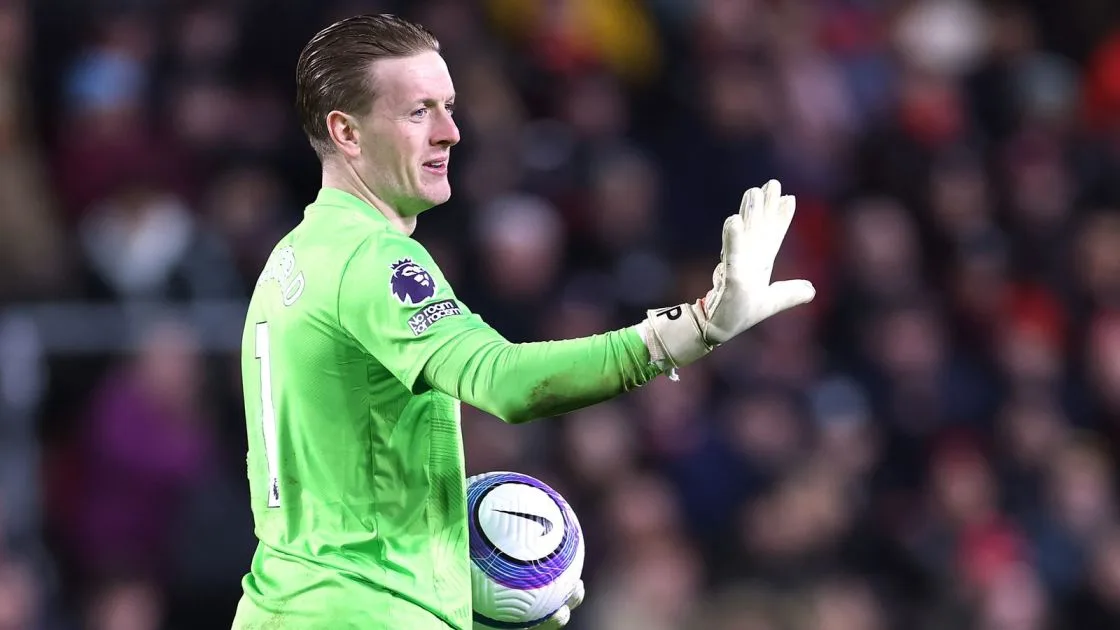
You are watching a Premier League match. The goalkeeper makes a save. He holds the ball. He looks around. He holds it a little longer. The crowd starts to whistle. They are counting. One. Two. Three. They are yelling at the referee. Four. Five. Six. The referee points. He gives an indirect free kick. The fans go crazy.
This is one of the most misunderstood rules in football. It is simple on paper. A goalkeeper can hold the ball for six seconds. But the reality is different. Referees often let it slide. They give warnings. They use their judgment.
But what are the actual rules? What happens if a goalkeeper holds the ball for more than 6 seconds? Is it always a free kick? What about the new rules? This guide breaks it down. It is a clear explanation of the law. It also looks at the changes coming to the game.
The Official Law: What the IFAB Says?
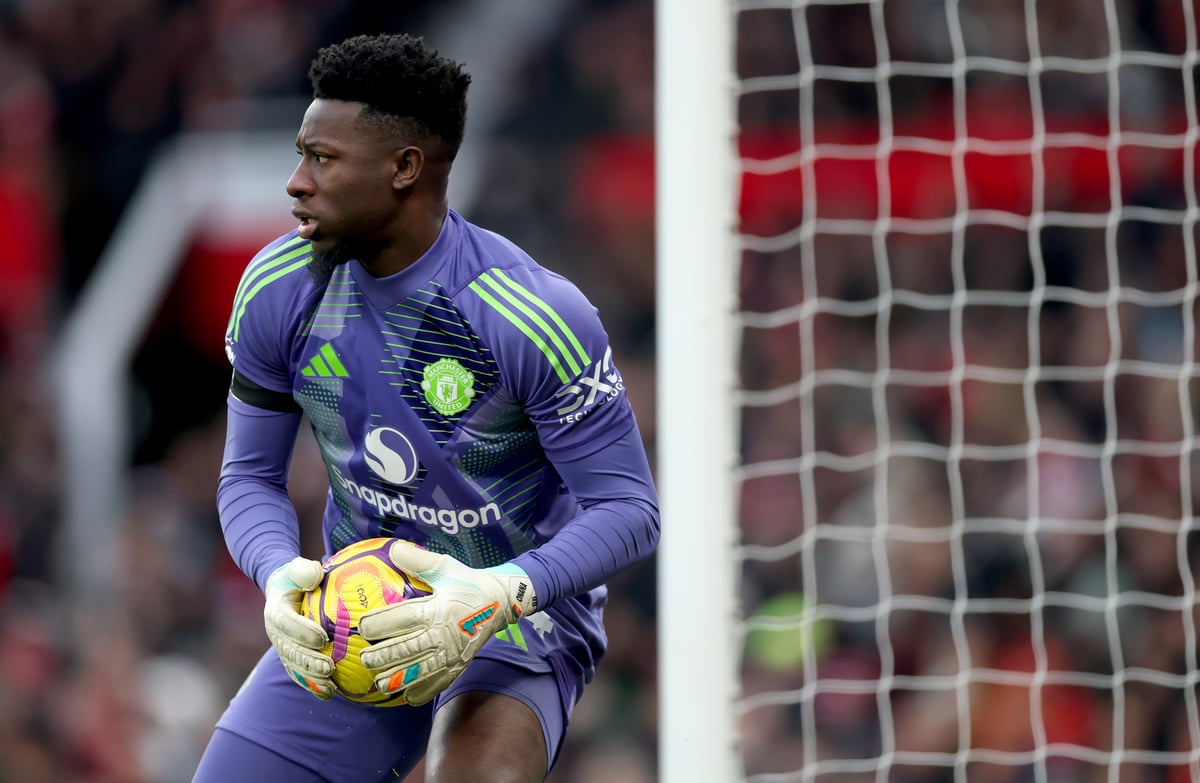
The International Football Association Board (IFAB) makes the rules. They are the rule makers. They write the Laws of the Game. Law 12 is about fouls and misconduct. It covers the goalkeeper.
Read Also:Premier League Soccer Relegation Battle 2026: What You Know So Far?
The rule is clear. A goalkeeper is allowed to have control of the ball with their hands for a maximum of six seconds. The referee counts the seconds. It starts when the goalkeeper has clear control of the ball. It ends when they release it.
If the goalkeeper holds it for longer, the referee will award an indirect free kick to the opposing team. It is a simple rule. It is not always enforced. But it is the law.
The "Indirect Free Kick" Penalty
This is the punishment. The other team gets a free kick. It is an indirect free kick. The ball must touch another player before a goal can be scored. It is a dangerous position. The defending team will form a wall.
The free kick is taken from the spot where the goalkeeper was standing. If the violation happens inside the goal area, the free kick is taken from the goal area line.
Why Do Goalkeepers Hold the Ball?
You might wonder why this rule exists. It is to keep the game moving. It prevents time-wasting. It stops the goalkeeper from just holding the ball and killing the game.
Goalkeepers hold the ball for many reasons. They are looking for a teammate. They are trying to slow the game down. They are trying to take a breath.
It is a strategic move. But it can also be a cynical one. It is a way to run down the clock. The referee has to decide if it is "time-wasting" or just a normal pause.
The Gray Area: How Long Is Six Seconds?
Here is the problem. The rule says six seconds. It is a hard number. But referees do not use a stopwatch. They use their judgment. They count in their head. They are not always accurate.
It is a subjective call. A referee might count a little slow. They might count a little fast. It all depends on the situation.
The Referee's Discretion
Referees have a lot of power. They can decide if the goalkeeper is wasting time. They can give a warning. They can just ignore it. It is part of their judgment.
Many referees are lenient. They allow seven or even eight seconds. They let it slide unless it is very obvious. They want to keep the game flowing. They do not want to decide the game with a controversial free kick.
What Happens When a Referee Ignores It?
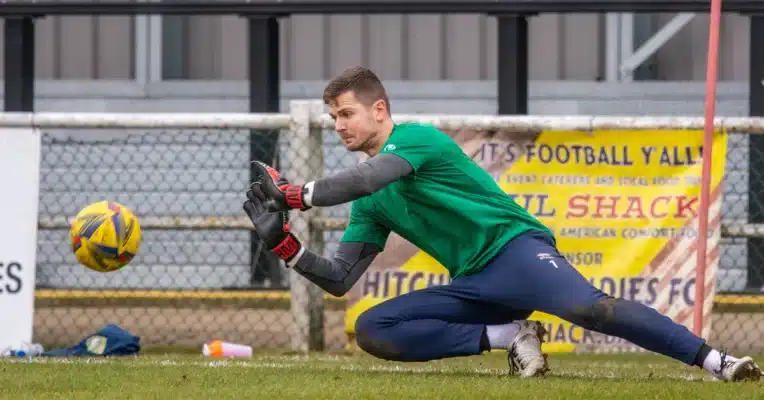
You see it all the time. A goalkeeper holds the ball for ten seconds. The referee does nothing. The fans are furious. The commentators are baffled.
You Must Also Like:Who Is the Best Soccer Player in the World of All Time?
The referee might be managing the game. He might be using a different standard. He might be giving a warning. He might think the goalkeeper was not wasting time.
The New Rule: The 8-Second Goalkeeper Rule
There is a new rule in the Premier League. It is a major change. It is the8 second goalkeeper rule Premier League. It is not an IFAB rule. It is a Premier League-specific rule. It is a trial.
This rule gives the referee a new tool. It is designed to stop time-wasting. It is a stricter rule.
How Does It Differ From the 6-Second Rule?
Thegoalkeeper 8 second rule IFABis not a standard IFAB rule. IFAB created the 6-second rule. The Premier League made it 8 seconds. They are testing it. They want to see if it works.
The referee will give a warning. They will raise their hand. They will do this when the goalkeeper has held the ball for five seconds. This is a clear signal. It tells the goalkeeper to release the ball.
If the goalkeeper holds the ball past eight seconds, the penalty is an indirect free kick. It is the same as the 6-second rule. The warning is the new part.
A Real-World Example: The Impact on the Game
Let us say you are watching a match. The goalkeeper makes a save. He holds the ball. The referee raises his hand. The crowd sees it. The goalkeeper knows he is being timed. He has to get rid of it. He has to release the ball quickly.
This is a big change. It reduces the time-wasting. It speeds up the game. It creates more attacking opportunities. It is a positive step for many fans.
What the Players Are Saying?
Some goalkeepers do not like the new rule. They say it puts too much pressure on them. They say it is too strict. They say it is unfair.
Other players like it. They say it stops the game from being slowed down. They say it makes the game more exciting. They say it is a better rule.
Does the Six-Second Rule Apply in Penalty Shootouts?
This is a common question.New goalkeeper rules for penalty kicksare different. The six-second rule does not apply in the same way. It is about the position of the goalkeeper. It is about the line.
The goalkeeper must have at least one foot on the goal line when the kick is taken. They cannot come off the line early. That is the main rule for penalties.
Encroachment
The goalkeeper is not allowed to come off the line early. They must stay on the line until the ball is kicked. If they move off the line, the referee can order a retake.
It is a strict rule. It is enforced much more strictly. The referee will watch the line. If the goalkeeper moves, it is a violation.
The Strategy: How a Goalkeeper Adapts?
A good goalkeeper is always thinking. They are always adapting. The rules are just a part of the game. They have to find a way to win. They also have to follow the rules.
-
Speed of Release:The goalkeeper learns to release the ball faster. It is a skill. They have to make quick decisions.
-
Positioning:The goalkeeper learns to distribute the ball. They find a better position. They create a good angle for a throw.
-
Game Management:The goalkeeper has to manage the game. They cannot hold the ball for too long. They have to be smart.
The Referee's Responsibility
The referee has a lot of pressure. They have to make the right call. They have to be consistent. They have to manage the game.
-
Clear Communication:The referee must be clear. They must make the warning visible. They should raise their hand.
-
Consistency:The referee must be consistent. They need to enforce the rule for both teams. It cannot be one-sided.
-
Using Common Sense:The referee must use common sense. They should not penalize a goalkeeper for a few extra seconds. They should only penalize them for clear time-wasting.
The Future of the Rule
The 8-second trial in the Premier League is important. It will shape the future. It might be adopted by other leagues. It might even become a standard IFAB rule.
Trending Article:5 Young Players Who Could Be The Future of U.S. Soccer
It is a reaction to modern football. The game is faster. The players are fitter. The time-wasting is more common. The rule needs to keep up.
The Trial's Success
The trial is being studied. The Premier League will look at the data. They will look at the number of yellow cards. They will look at the number of free kicks. They will look at the impact on the game.
If it works, it will be kept. If it does not, it will be scrapped. It is a learning process.
The Goalkeeper's Psychology
There is a mental side to this. It is not just about the time. It is about the pressure. The goalkeeper is under a lot of scrutiny.
-
Pressure from the Crowd:The crowd is counting. They are watching. They are waiting for the whistle. It puts pressure on the goalkeeper.
-
Pressure from the Opponent:The opposing team will pressure the goalkeeper. They want him to make a mistake. They want a free kick.
-
Pressure from the Referee:The referee is watching. He is counting. He is ready to make a call. It is a lot of pressure.
Common Misconceptions About the Rule
There is a lot of confusion. Let us clear it up.
-
You Cannot Hold the Ball for More Than 6 Seconds:This is true. It is a rule. But it is not always enforced.
-
The Referee Will Always Give a Free Kick:This is not true. The referee has discretion. They can give a warning.
-
The Rule Applies to All Goalkeepers:This is true. It applies to all goalkeepers at all levels of the game.
-
The Six Seconds Starts When the Goalkeeper Catches the Ball:This is true. It starts when the goalkeeper has control.
A Final Thought
The 6-second rule is a simple rule. It is designed to keep the game moving. It is a key part of the Laws of the Game.The new 8-second rule in the Premier League is a major change. It changes the game.
It changes the referee's job. It changes the goalkeeper's job.It is an exciting time for football. The rules are evolving. The game is changing. It is all part of the beautiful game.
Frequently Asked Questions
Q1: Can a goalkeeper hold the ball for more than 6 seconds?
No, the IFAB laws state a goalkeeper can hold the ball for a maximum of six seconds. The penalty is an indirect free kick.
Q2: What is the new 8-second goalkeeper rule in the Premier League?
The Premier League is trialing a new rule. The referee gives a five-second warning. The goalkeeper must release the ball within eight seconds. If they do not, an indirect free kick is awarded.
Q3: Are the rules different for penalty kicks?
Yes, there are specific rules for penalty kicks. The goalkeeper must have at least one foot on the goal line. They cannot come off the line early.
Q4: What happens if a goalkeeper violates the rule?
The referee awards an indirect free kick to the opposing team from the spot where the violation occurred.
Q5: Is the 8-second rule an IFAB rule?
No, the 8-second rule is a trial in the Premier League. IFAB's official rule is six seconds.