I started playing field hockey in Kerala back in 2011. My first stick was a hand-me-down from my cousin. The tape on its handle had worn down to a sticky gray mess. But it still worked. That stick taught me something important.
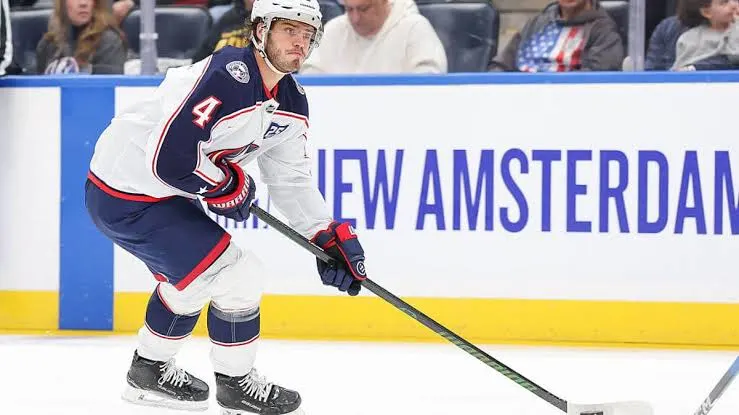
Hockey players tape their sticks for reasons that go far beyond looks. The tape does real work. It protects the blade from cracking. It gives the puck something to grip.
It changes how the stick feels in your hands. And in India, where finding the right stick size is already a headache, tape becomes a tool for fixing problems that equipment alone cannot solve.
This guide breaks down the real reasons behind the tape, with honest advice for players at every level.
Why Do Hockey Players Tape Their Sticks 2026?
The Real Reasons Behind the Tape
Players do not tape their sticks because of tradition. They do it because bare composite or wood surfaces are slippery when wet. Ice sticks to a raw blade. The puck slides off with no spin. Tape fixes both problems.
Read Also: Asian Games Hockey Schedule And Live Telecast Details
The NHL has documented that tape creates a consistent surface for the blade and puck to meet. That consistency matters when a pass arrives at full speed. Your hands know what to expect. The puck does not jump or skip.
There is also protection. A taped blade takes less damage from repeated contact with the puck, the ice, and other sticks . You replace tape instead of replacing the whole blade.
Tape Protects the Blade from Breaking
Composite blades are tough but not invincible. They crack. They chip. They wear down along the bottom edge from scraping the ice.Friction tape was the original solution.
Back when sticks were made of wood, players wrapped blades to stop cracks from spreading. The tape held the wood together. It added a layer of shock absorption.
Modern cloth tape does the same job for composite blades. It takes the beating so the blade does not have to. When the tape wears through, you peel it off and wrap again. The blade underneath stays intact.
This matters even more for field hockey players in India. Wooden sticks are still common at the club level. A cracked blade means a dead stick. Tape keeps it alive longer.
Grip and Control: Why Tape Changes How the Puck Feels?
Raw composite is smooth and hard. When ice or snow gets on it, the surface becomes slick. The puck slides off. Passes miss their target.
Tape solves this by adding texture. The cloth fibers grip the puck. Players can put spin on shots and saucer passes because the tape catches the puck’s surface.
You Must Also Like:Why Did Ducks Match Leo Carlsson Offer Sheet? Explained
A study on ice hockey tape found that different tape materials change shot speed and rotation. The study measured wrist shots and slap shots. It found that alternative tape products led to higher speed and more rotation with over 99% statistical confidence.
That does not mean every player needs fancy tape. It means the surface of your blade matters. A fresh tape job gives you more control than a worn one.
Ice and Snow Management
This is the reason many players overlook. Snow and ice stick to bare composite. They build up along the blade. The puck catches on that buildup and loses speed.
Tape repels some of that moisture. The cloth absorbs what it can. The adhesive keeps the surface from getting soaked through. A quick rub of stick wax adds another layer of protection.
Without tape, a wet blade becomes a heavy blade. The extra weight throws off the stick’s balance. Your shot feels slow. Your passes drag.
The Weight and Balance Issue Nobody Talks About
Tape adds weight. This is a fact. A full blade wrap can add 20 to 40 grams. That sounds small. But hockey sticks are built to be as light as possible. Every gram matters.
The weight goes to the blade. The blade is at the bottom of the stick. Adding weight there changes the balance point. The stick feels heavier at the tip. That can slow down your hands.
Some players fix this by adding tape to the handle end. The extra weight at the top balances out the blade. This is why you see players with thick tape knobs and wrapped shafts.
Jugraj Singh and the Stick Check That Almost Cost India
Here is a real example from 2026 that shows why stick setup matters at the highest level.
Indian defender Jugraj Singh faced a scare before the FIH Men’s World Cup in the Netherlands. His stick failed the mandatory equipment check. The FIH Technical Committee flagged his blade dimensions.
Jugraj is a key drag flicker for India. His penalty corner power depends on his stick. Without clearance, he could not play. He missed the opening match against Wales.
The team worked through the inspection process. Jugraj’s replacement stick passed. He returned for the England match. India got their penalty corner weapon back.
This story matters for one reason. Stick setup is not just a personal preference. At the international level, it is regulated. The wrong blade shape or dimensions can sideline a player. Tape alone cannot fix a non-compliant stick.
Famous Hockey Players of India and Their Stick Habits
Indian hockey has a long history of players who treated their sticks like extensions of their bodies. The stick taped to their grip became part of their identity.
Major Dhyan Chand, the wizard of Indian hockey, played in an era before modern composite sticks. His wooden stick was simple. But his control was legendary. He did not need fancy tape. He needed feel.
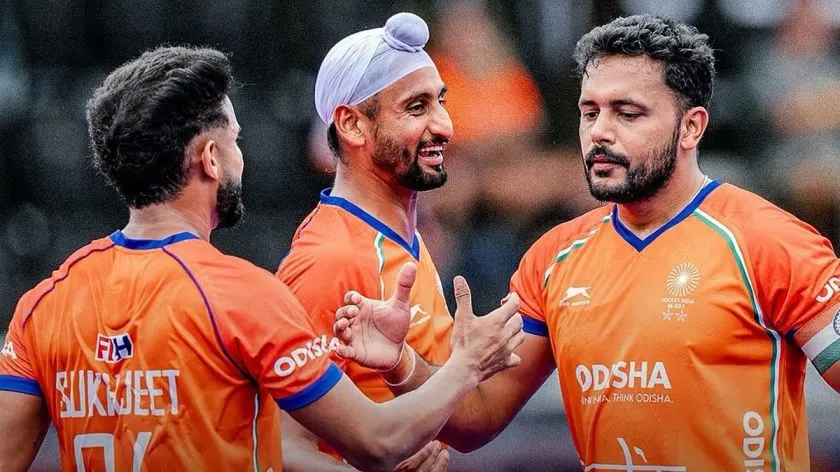
Modern players like Harmanpreet Singh and Manpreet Singh use tape for practical reasons. Harmanpreet’s drag flicks depend on a consistent blade surface. The tape gives him that. Manpreet’s midfield control relies on grip. Tape provides it.
Nithin Thimmaiah, a former Indian international, once bought a stick for 12,000 rupees during the Lanco Super 8 tournament. He scored his first international goal with it.
He taped the handle heavily because his size made standard sticks feel short. The tape fixed the grip issue. The stick became lucky.That story captures something real. Tape is a workaround. It solves problems that equipment alone cannot.
How to Tape Your Stick: Practical Guidance?
There is no single right way to tape a stick. But there are ways that work better for certain players.
For Beginners
Tape the entire blade from heel to toe. This gives you maximum grip and cushioning. It protects the blade from early damage. You will not have the most refined feel. But you will have control you can trust.
Use white tape if you want to see the puck clearly. Use black tape if you want to hide it from the goalie .
For Defenders
You need durability. Tape the blade heavily. Double up on the toe area if you block shots or clear pucks along the boards. The extra tape absorbs impact.
For Forwards
You might prefer less tape on the blade. A thinner layer gives you a livelier feel. It releases the puck faster. But you lose some grip on hard passes.
Experiment. Start with a full wrap. Then try a toe-only job. See which one feels right.
For Hot and Humid Conditions
Indian summers are brutal on tape. Heat softens the adhesive. Humidity makes the cloth soggy. Change your tape often. Do not let a worn tape job sit for weeks. It will fail when you need it most.
Tape Alternatives Worth Knowing
Traditional cloth tape is not the only option.
Blade stickers like Specter tape are thinner and more consistent. The study showed they improved shot speed and rotation compared to traditional tape. They last longer and do not absorb water the same way.
Rubber grips replace tape on the handle. They do not wear out glove palms as fast. They also work better when wet.
Heat shrink sleeves exist as a blade cover alternative. They slide over the blade and shrink to fit. They are durable and even. But they are not legal in all competitions. Check the rules first.
FAQ's AboutFamous Hockey Players of India
Why do hockey players tape their sticks?
Protection, grip, moisture control, and personal feel. Tape keeps the blade alive and the puck under control.
Does tape make you shoot harder?
Not directly. But better grip and spin can improve accuracy and consistency. A study found alternative tape products increased shot speed by about 2.5%.
How often should I re-tape?
Every few games for blade tape. Replace it as soon as it looks worn or feels slick. Some players re-tape every game.
Is black tape better than white?
Black hides the puck from the goalie. White makes it easier to see for your own passes. Both are personal choices.
Can tape fix a stick that is too short?
Tape can add grip and bulk to the handle. It cannot add length. If the stick is too short, you need a new stick or an extension.
The Final Thoughts
Hockey players tape their sticks because the tape does real work. It protects the blade. It grips the puck. It manages moisture. It changes how the stick feels in your hands.
For Indian players dealing with limited stick options, tape is often the only way to make a stick work.The famous hockey players of India from Dhyan Chand to Harmanpreet Singh all understood this. The stick is a tool. Tape makes the tool fit your game.
Experiment with different tape jobs. Change them when they wear out. Pay attention to how the stick feels. That is how you find what works. Not by copying someone else. By figuring out your own hands.