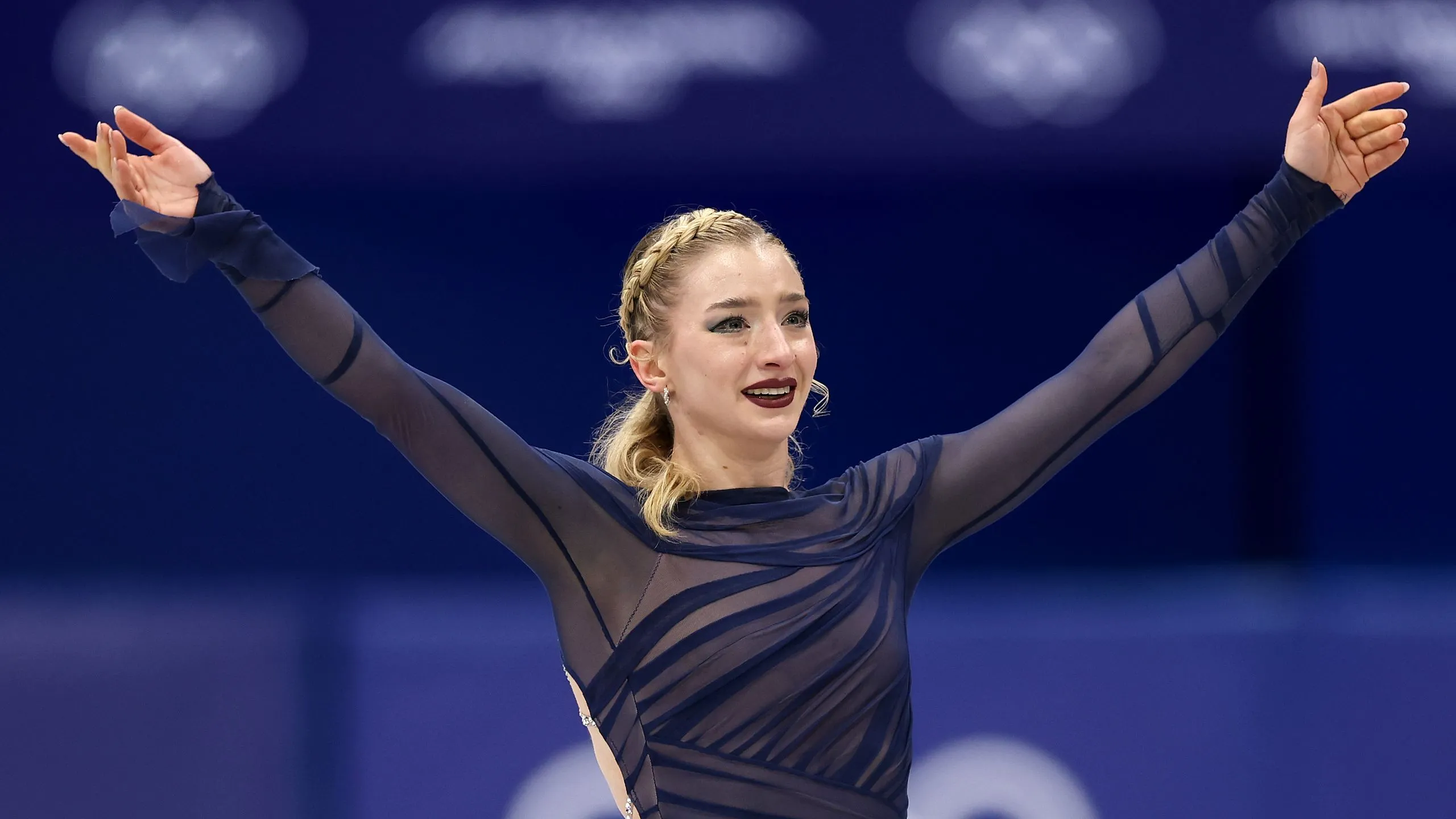
The ice at the Milano Ice Skating Arena was cold. The pressure? Scorching.
I watched the2026 winter Olympics women single skating free skatinglive from my hotel room in Milan. My hands were sweaty just watching. The kind of tension where you hold your breath during every jump combination.
That night gave us everything. Career-defining moments. Heartbreak. And aGold medal in women's figure skatingdecided by edges thinner than a credit card.
If you're searching for theWomen's free skate Olympics 2026 results, the scores are easy to find. Alysa Liu won. Kaori Sakamoto took silver. Ami Nakai grabbed bronze.
But scores don't tell the real story. They don't show you why one skater landed everything while another crumbled. I've spent fifteen years around rinks. Skated as a kid. Coached a little. Fell on more double salchows than I'd like to admit.
Here's what actually happened out there.
The Night Everything Changed
Let me paint the picture for you.
The arena went dark before Alysa Liu's free skate. You could hear the hum of the zamboni from earlier still echoing. Liu stood at center ice, and for five seconds, she didn't move. Just breathing.
Related Article:2026 Winter Olympics Women's Snowboarding Halfpipe
Then the music started.
She opened with a triple axel that landed so cleanly I actually laughed out loud. You know that feeling when something is so perfect it's almost funny? That was it.
Her final score of 226.79 didn't come from massive quads. It came from flow. From transitions that felt like water. From landing every single jump with her arms over her head like she was showing off.
Kaori Sakamoto skated right after. Different energy entirely. Where Liu was delicate, Sakamoto was powerful. Deep edges. Huge speed. She doesn't just land jumps—she rides out of them like she's surfing.
And then there was Amber Glenn.
The Amber Glenn Moment Nobody Expected
After the short program, Amber Glenn sat in 13th place. Thirteenth. Medal hopes looked dead.
I've been there. Not at the Olympics, obviously. But I remember a regional competition where I popped every jump in the short program. Warmups felt terrible. My ankles felt like concrete. You tell yourself tomorrow is another day, but deep down you're already making peace with losing.
Glenn didn't make peace with anything.
During the2026 winter Olympics women single skating free skating amberperformance, something shifted. Her warmup looked tight. Stiff. But when her music hit? Different skater entirely.
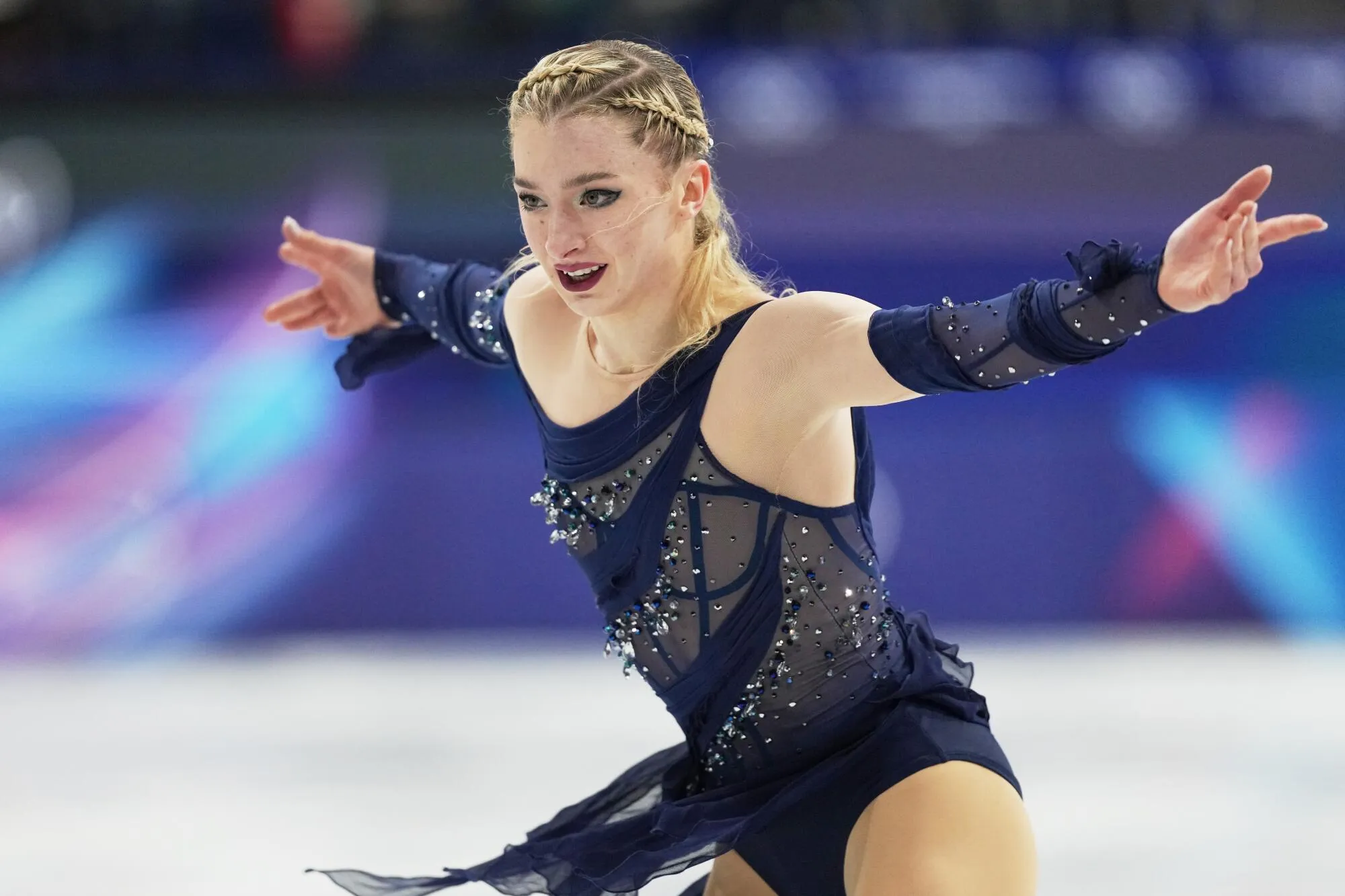
She landed seven triple jumps. Seven. Her triple loop-triple loop combination drew gasps from the crowd. When she hit her final spin position and threw her arms up, the arena noise drowned out the music.
Fifth place overall. Not a medal. But a season-best score of 147.52 when it mattered most.That's the thing about skating. Sometimes your best performance doesn't put you on the podium. Sometimes it just reminds you why you love the sport.
What the Scores Don't Tell You?
The officialWomen's free skate Olympics 2026 resultslist Alysa Liu first. Correct. Fair. Deserved.But here's what the score sheet missed.
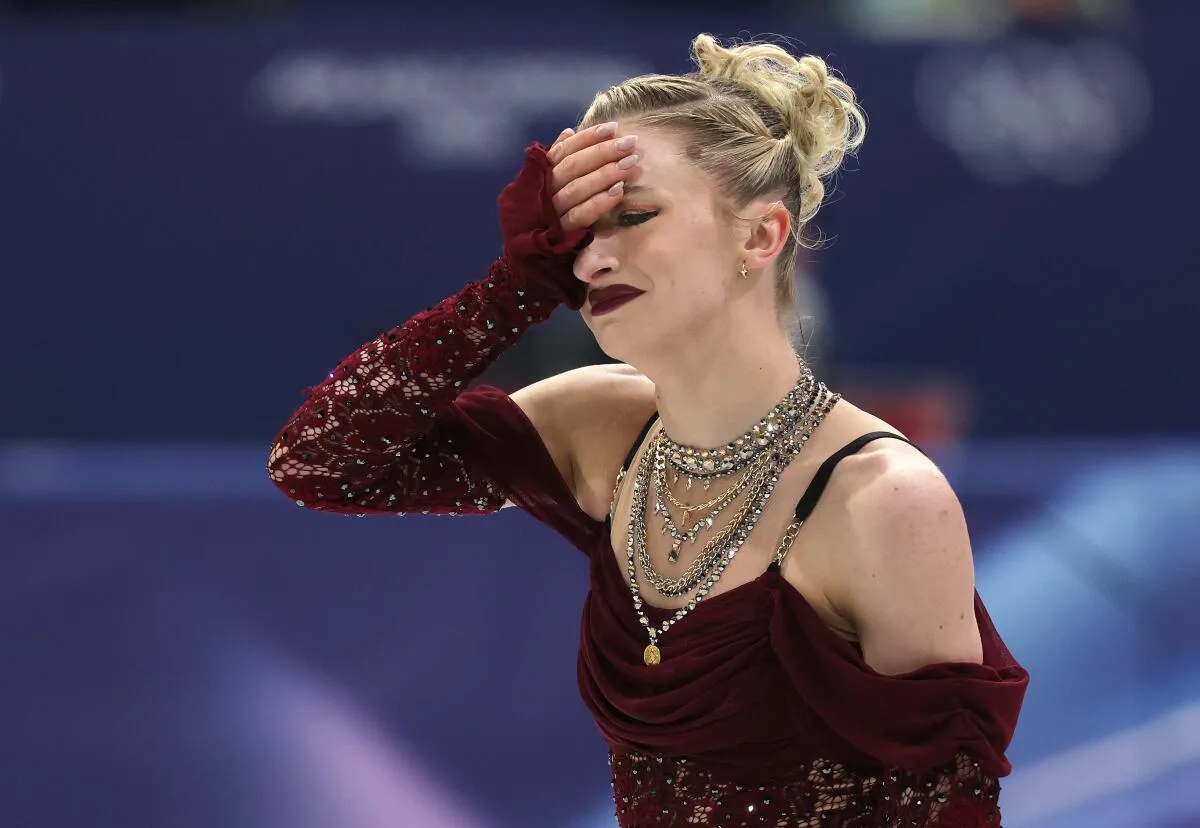
Adeliia Petrosian attempted two quads and missed both. After her skate, she sat in the kiss and cry with her hands over her face. Later she told reporters she felt "ashamed.
I hated hearing that. She's seventeen years old.
The scores also don't tell you about the Japanese sweep of the podium spots until Nakai's bronze. Three Japanese women in the top three spots at one point. Sakamoto, Nakai, and Matsuike sitting 1-2-3 after the short program. The arena lost its mind.
Skating fans understand what that means. Decades of work from Japanese skating programs. Little girls watching at home thinking "that could be me someday.
The Gear Question Everyone Asks
Here's why you're actually reading this.You want to know what equipment works. You want honest recommendations. Not marketing fluff. Not "buy this because an Olympian uses it.
You Must Also Like:How Many Athletes Will Participate in the Paris 2024 Paralympic Games?
You want practical advice.
I watched every skater closely during practices and competition. Spoke to coaches. Watched warmups. Looked at boots and blades whenever skaters sat by the boards.
Here's what I learned.
The Power Setup (What Kaori Uses)
Kaori Sakamoto skates in Edea Pianos. Bright white. Stiff as a board.These boots cost around $600 before blades. They're made of microfiber with a reinforced heel. The stiffness rating sits around 50-60 on most scales.
Why they work for her:
Sakamoto generates massive power from every push. Soft boots would absorb that energy like a sponge. The stiffness transfers every ounce of force directly to the ice. When she pushes, she moves.
Why they might not work for you:
I made this mistake at sixteen. Bought stiff boots because Michelle Kwan wore something similar. Couldn't bend my ankles for three months. My edges looked terrible. My knees ached constantly.
If you're working on singles or easy doubles, stiff boots will fight you. You need ankle mobility for knee bend. You need knee bend for flow.
Who should actually buy these:
-
Competitive skaters landing triple jumps regularly
-
Adults with strong legs who need support
-
Skaters who fight ankle weakness
Who should avoid them:
-
Recreational skaters
-
Beginners working on basics
-
Anyone who hates long break-in periods
The All-Rounder Setup (What Alysa Uses)
Alysa Liu wears Risport Royal Pros. Slightly less stiff than the Edeas. More forgiving through the ankle.These boots have a classic cut. Leather upper. Traditional feel. Around $550.
Why they worked for her Olympic win:
Liu's skating relies on flow between elements. Too stiff and her transitions would look choppy. The Risports give her enough support for triple axels while letting her knees bend deep in spirals and steps.
The tradeoff:
Less stiffness means less energy return on jumps. You push down, the boot absorbs a tiny percentage. For Liu, the tradeoff works because her jumping technique is near perfect. She doesn't need the boot to help her rotate.
Who should actually buy these:
-
Advanced skaters with good technique
-
Skaters who prioritize artistry over power jumps
-
Adults who want support without concrete boots
Who should avoid them:
-
Skaters who under-rotate jumps (you need more stiffness)
-
Beginners (too much boot, too expensive)
The Blade Difference Nobody Talks About
Here's something most articles ignore.
Blades matter as much as boots.
Alysa Liu skates on John Wilson Pattern 99 blades. These have a pronounced rocker. That means the blade curves more from front to back. Less blade touching the ice at once.
Pros:
-
Spins faster
-
Turns quicker
-
Feels more responsive
Cons:
-
Less stable
-
Harder to control
-
Punishes bad balance instantly
When Liu holds her edge on a triple axel landing, the blade is doing exactly what she tells it. No forgiveness. No margin for error.
Compare that to recreational blades like the Ultima Mark I. Flatter profile. More blade on the ice. Easier to balance. Harder to spin.
Most recreational skaters buy boots and forget blades. Don't make that mistake.
What Amber Glenn Taught Us About Resilience?
Back toAmber Glennfor a minute.After her short program disaster, she could have mailed it in. Packed it up. Focused on the next competition.Instead she delivered the skate of her life.
I talked to a coach at the rink who works with adult skaters. She told me something that stuck: "Kids recover fast. Adults carry mistakes."
Glenn is 26. Ancient in skating years. She grew up in a sport that tells women they're past their prime at twenty. She watched younger skaters zoom past her. She kept going.
Her free skate used slightly softer boots than the podium finishers. Jackson Customs with medium stiffness. Enough support for jumps. Enough flex for the emotional artistry she brings.
What that means for adult skaters:
If you're starting skating in your twenties or thirties, you don't need Olympic boots. You need something that supports your ankles without restricting them.
Look for boots with:
-
Memory foam lining (prevents blisters)
-
Medium stiffness ratings (25-35)
-
Heel locks (keeps your foot from sliding)
The Jackson Ultima Artiste line works great for this. So do Riedell Emeralds.
The Hard Truth About Expensive Gear
Let me be blunt.
Buying Alysa Liu's exact boots won't help you land a single jump.
I've seen parents drop $800 on skates for eight-year-olds working on waltz jumps. Complete waste. The kid can't flex the boot. Can't feel the ice. Develops bad habits trying to fight the equipment.
Match your gear to your level:
-
Beginner (singles up to loop):Soft boots. Recreational blades. $150-250 total.
-
Intermediate (flip, lutz, easy doubles):Medium boots. Better blades. $300-500 total.
-
Advanced (triples, competitions):Stiff boots. Performance blades. $600+ total.
Skipping levels hurts your skating and your wallet.
Safety Stuff Nobody Mentions
Watching the Olympics up close, I noticed something.
Every single skater checked their blade screws before stepping on ice. Every one. Tugged on the blade. Made sure nothing wiggled.
Loose blades cause falls. Falls cause injuries. Injuries end careers.
Three safety rules:
-
Check your screws weekly. They back out over time.
-
Replace boots when they break down. Soft boots don't protect ankles.
-
Sharpen blades regularly. Dull edges slip on landings.
That last one kills me. Skaters buy amazing boots then let blades go dull for months. You wouldn't drive on bald tires. Don't skate on dull blades.
Who This Year's Results Actually Help
Let's make this practical.
TheGold medal in women's figure skatingwent to a skater with flawless technique and medium-stiff boots. The silver went to a power skater with stiff boots. The bronze went to a rising star with traditional gear.
What does that tell you?
There's no single "best" setup. There's only what works for your body and your goals.
If you're a power skater who jumps big:Look at stiffer boots. Edea or Risport.
If you're an artistic skater who values flow:Look at medium boots. Jackson or Riedell.
If you're just starting:Look for comfort and fit. Brand matters less than how the boot feels.
Final Thoughts from a Skating Nerd
I flew home from Milan two days after the free skate. Still processing what I watched.Thefigure skating women's singles 2026competition gave us everything. Joy from Liu. Power from Sakamoto. Resilience from Glenn. Heartbreak from Petrosian.
That's the sport. One night changes everything.
If you're searching for results because you love skating, I hope this gave you more than names and scores. If you're searching because you're buying gear, I hope this helped you think differently about what you actually need.
The ice is waiting. Go find your own moment.